Using Artificial Intelligence to prevent Preventable Blindness

Book a Call Now

WHAT IS DRISTi

DRISTi

DRISTi is identified as CE Class I (MDD), with CE Class II B (MDR) under review, and is an AI product designed to detect the early presence of Diabetic Retinopathy (DR) in patients during eye check up screening process instantaneously.

By cutting the cord, and creating a first of its kind, AI on a Chip we have taken DR screening to the remotest areas of the globe. Our offline solution does not depend on the internet or the cloud and brings Point of Care diagnostics to the forgotten billions who need this service.

Diabetic Retinopathy (DR) affects over one third of all people with diabetes and is the leading cause of vision loss. Globally the prevalence of diabetes is increasing rapidly. Since Diabetic Retinopathy (DR) is a progressive disease, early detection and intervention can prevent blindness. Due to the alarming increase of Diabetes, screening for DR every year becomes important.
DRISTi

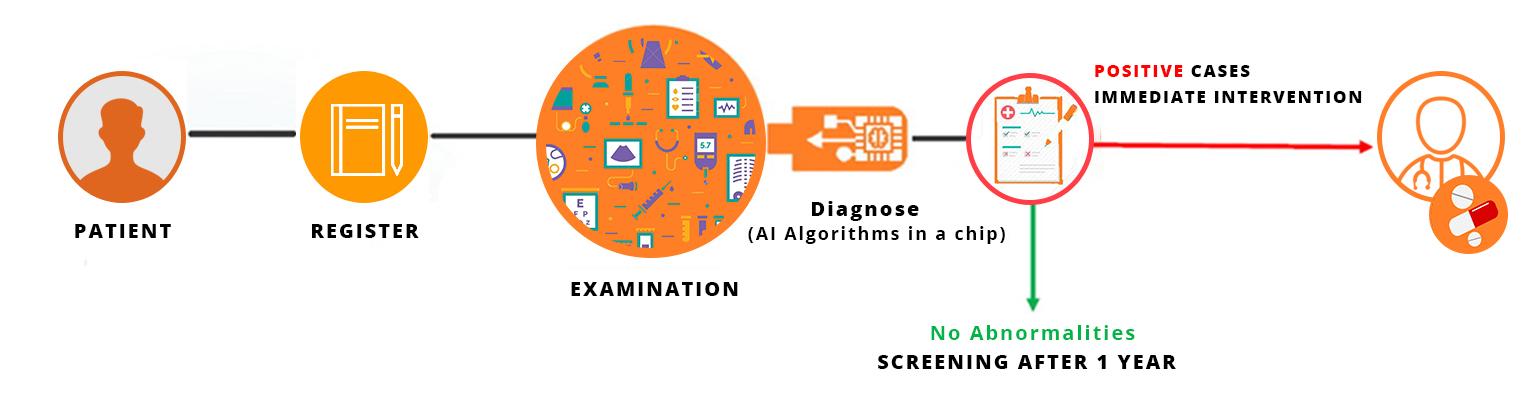
Process Flowchart

How It Works

How It Works process illustration

AI based Fundus and OCT Analysis

Advanced Diagnostics

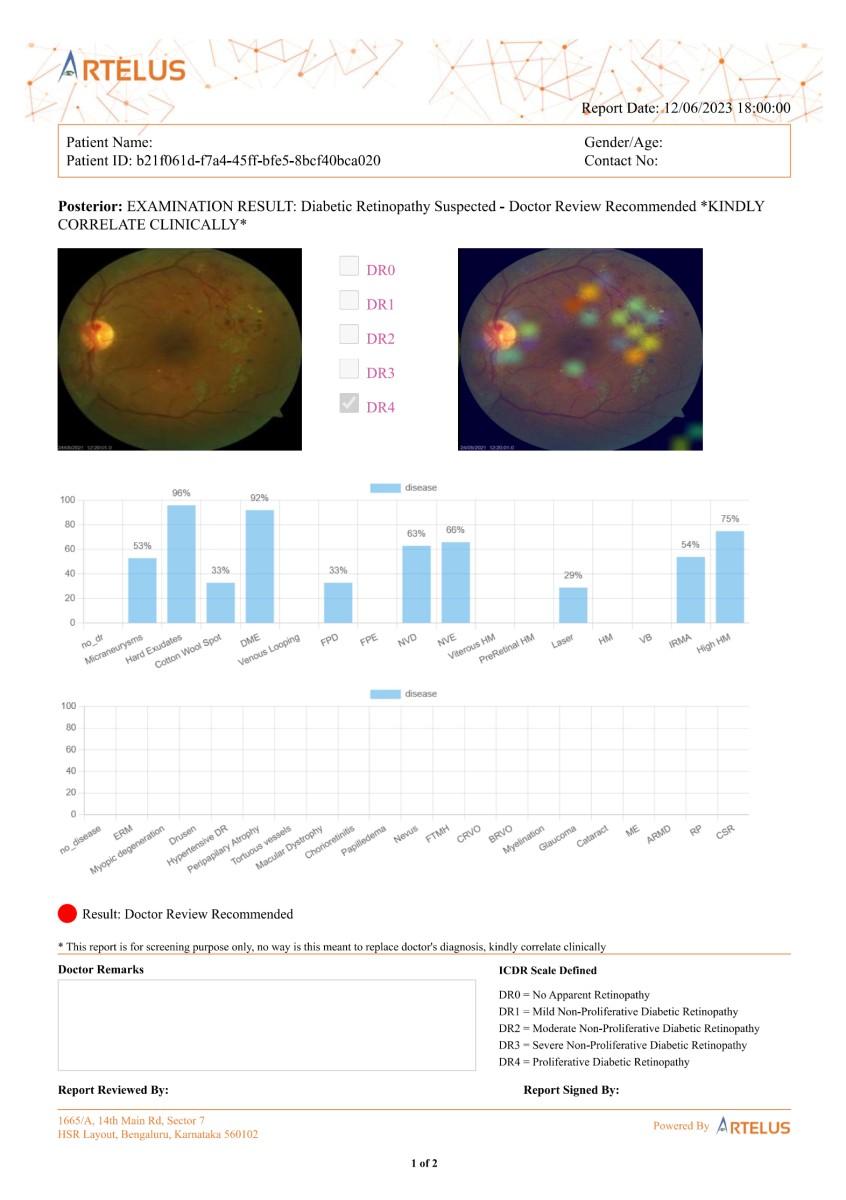
Artelus leverages advanced AI technology to enhance the detection and diagnosis of retinal diseases. Our Fundus AI (DRISTi) can capture
4 levels of Diabetic Retinopathy (DR) and Diabetic Macular Edema (DME), 16 DR-related pathologies, and 20 other multi-pathologies, providing comprehensive diagnostic capabilities.
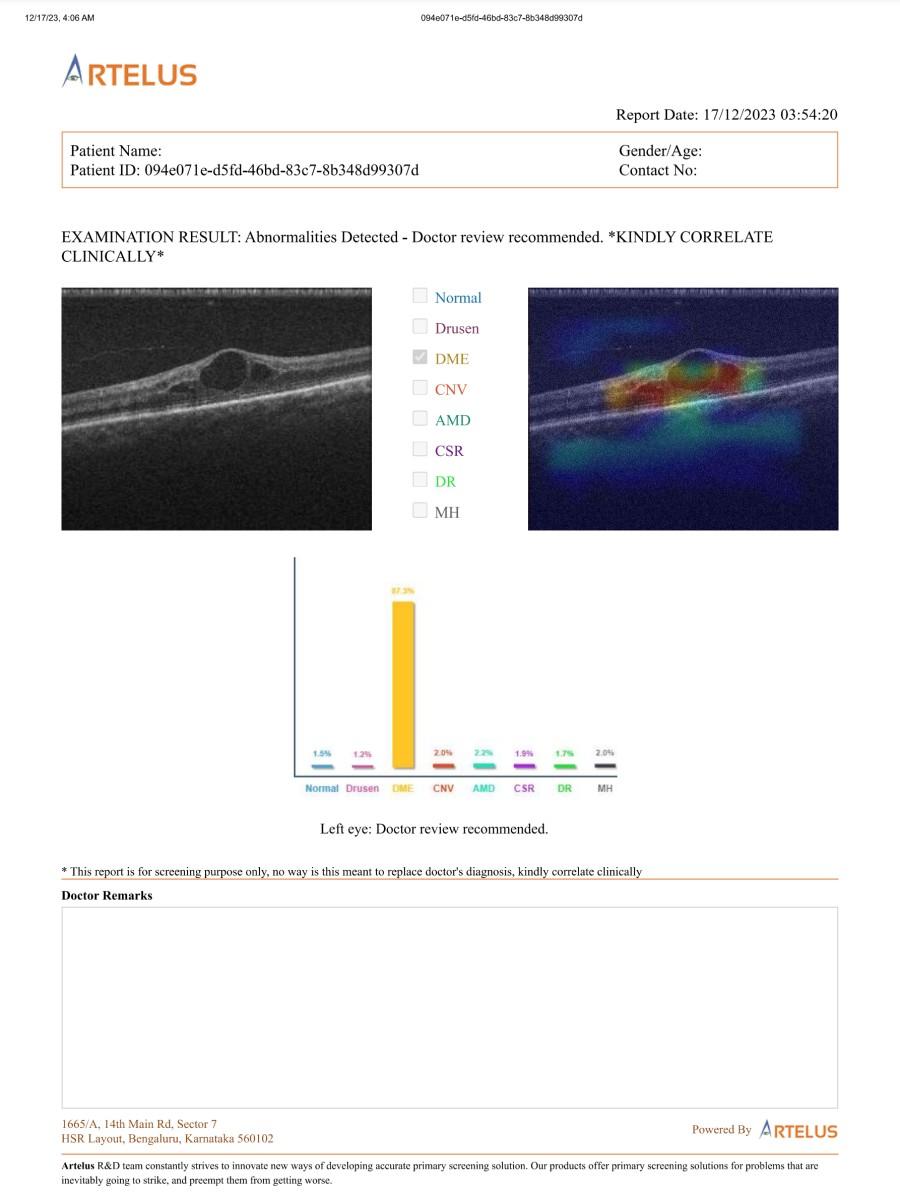
Additionally, our OCT AI accurately identifies 7 retinal diseases. Both systems are equipped with explainable AI,
which generates heatmaps to highlight regions of interest, ensuring transparency
and aiding healthcare professionals in making informed clinical decisions.

Artelus Diabetic Retinopathy Report - Fundus Image
Artelus OCT retinal abnormalities report

Retinal Screening Solutions for Healthcare Buyers

Artelus combines portable fundus imaging with offline AI to help healthcare teams bring retinal screening closer to patients in clinics, hospitals, screening camps, and underserved communities.

How DRISTi Works

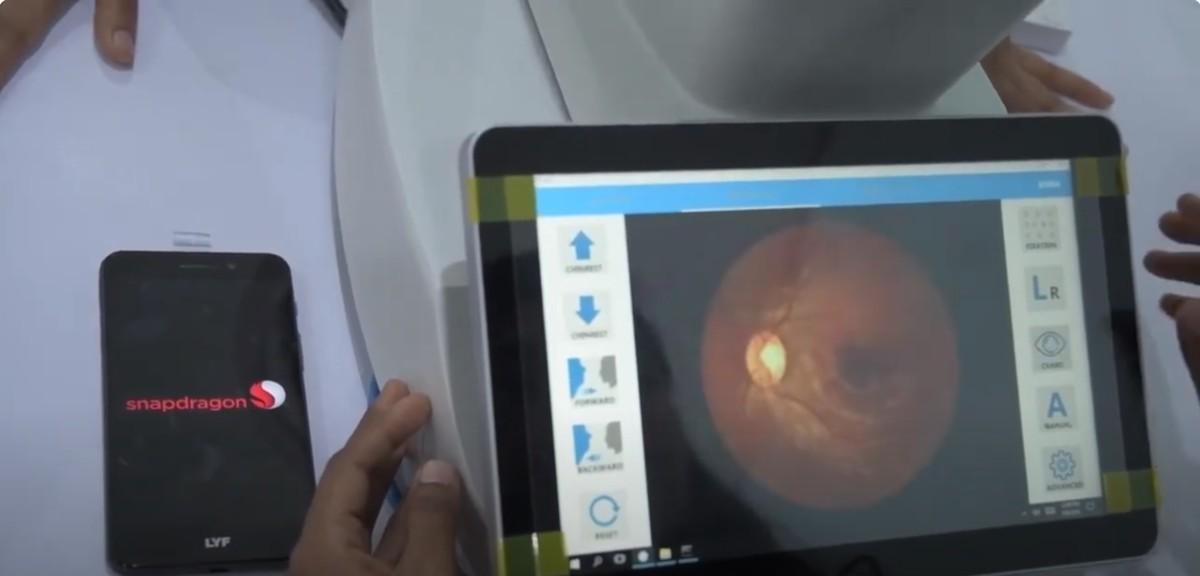
DRISTi captures retinal images with a non-mydriatic fundus camera and analyzes them at the point of care. Its AI supports screening for four levels of diabetic retinopathy and diabetic macular edema, with explainable outputs that help healthcare professionals review findings and decide on next steps.

Who It's For

Artelus AI retina screening solutions are designed for ophthalmologists, eye hospitals, clinics, NGOs, mobile medical units, and public health programs. The portable workflow also supports screening camps and outreach programs across India where access to specialist eye care is limited.

Clinical Accuracy & Certifications

DRISTi is intended to support diabetic retinopathy screening, not replace a clinician's diagnosis. Artelus reports that its AI has been trained on more than 100,000 retinal images. DRISTi is listed as CE Class I (MDD), while CE Class II B (MDR) is under review. Confirm the certification and deployment requirements for your intended market with Artelus before purchase.

Why Offline Matters

The offline AI retina screening device runs through an integrated compute stick, so screening and report generation do not depend on continuous internet access or cloud transfer. This helps teams work in rural clinics, mobile units, and other locations with unreliable connectivity while keeping patient data local.

DRISTi AI Frequently Asked Questions

How much does an offline AI retina screening device cost?

Pricing depends on the selected fundus camera configuration, deployment volume, training, support, and location. Artelus provides a tailored quotation rather than publishing one fixed price. Contact the team to discuss your screening program and request a demo or commercial proposal.

Is the Artelus portable fundus camera available in India?

Artelus solutions are designed for clinics, hospitals, screening camps, and outreach programs in India. Contact Artelus to confirm current device availability, configuration, delivery timelines, and local deployment support.

How accurate is DRISTi AI for diabetic retinopathy screening?

DRISTi supports screening by analyzing retinal images and grading four levels of diabetic retinopathy. It is a clinical decision-support tool and does not replace examination or diagnosis by a qualified eye-care professional. Ask Artelus for the latest validation evidence relevant to your intended population and workflow.

What certification does DRISTi have?

The product information identifies DRISTi as CE Class I (MDD), with CE Class II B (MDR) under review. Certification requirements vary by market and use case, so buyers should confirm the applicable documentation directly with Artelus before deployment.

What is required to set up DRISTi at a clinic or screening camp?

Setup typically requires the DRISTi fundus camera, its integrated compute stick, a suitable power source, and a trained operator. Because the AI runs offline, a continuous internet connection is not required. Artelus can confirm installation, onboarding, maintenance, and workflow requirements for your site.

Evidence and recognition

Clinical Evidence, Certifications & Press

Review the sources behind Artelus product and performance claims. Product results can vary by device, dataset, population, and clinical workflow; DRISTi and OCT AI are intended to support qualified healthcare professionals.

Certification information

Artelus identifies DRISTi as CE Class I (MDD), with CE Class II B (MDR) under review. The Products page explains the manufacturer's declaration of conformity; request the current certificate and regulatory documentation directly from Artelus.

View certification information

Reported validation result

A 96% sensitivity result is reported in Artelus's interview coverage about validation with the Dubai Health Authority. This is a reported historical result, not a universal accuracy guarantee or a substitute for current validation evidence.

Read the validation reference